


A fair value gap, or FVG, is a chart area left behind when price moves quickly and creates an imbalance between buyers and sellers. Traders often look at these zones because price sometimes revisits them later, but an FVG is not a guarantee of a fill, reversal, continuation, or reaction. It is better understood as a context zone that should be read alongside structure, support and resistance, candle behaviour, and volume.
What Is A Fair Value Gap In Crypto?
A fair value gap, or FVG, is a chart area left behind when price moves sharply in one direction and leaves an imbalance between buyers and sellers. In practical terms, traders use the phrase to describe a zone where price moved so quickly that there was limited two-way trading through that area.
The most common beginner explanation uses a three-candle pattern. If the market moves strongly and the first and third candle do not fully overlap, the space between them is treated as the fair value gap. That zone then becomes an area traders watch later to see whether price returns to it.
What matters most is keeping the definition simple. A fair value gap is not a promise. It is a way of describing an imbalance on the chart.
How To Spot An FVG On A Chart
The beginner version of an FVG is easiest to spot through a three-candle structure.
In a bullish example, price moves strongly upward through the middle candle. If the low of the third candle stays above the high of the first candle, the space between those two candles is often marked as the fair value gap. In a bearish example, the opposite logic applies. Price moves sharply down, and the high of the third candle stays below the low of the first candle.
That gives you a visible zone to track, but the pattern alone is not enough. A clean gap on the chart does not automatically mean price must return there or react in a specific way.
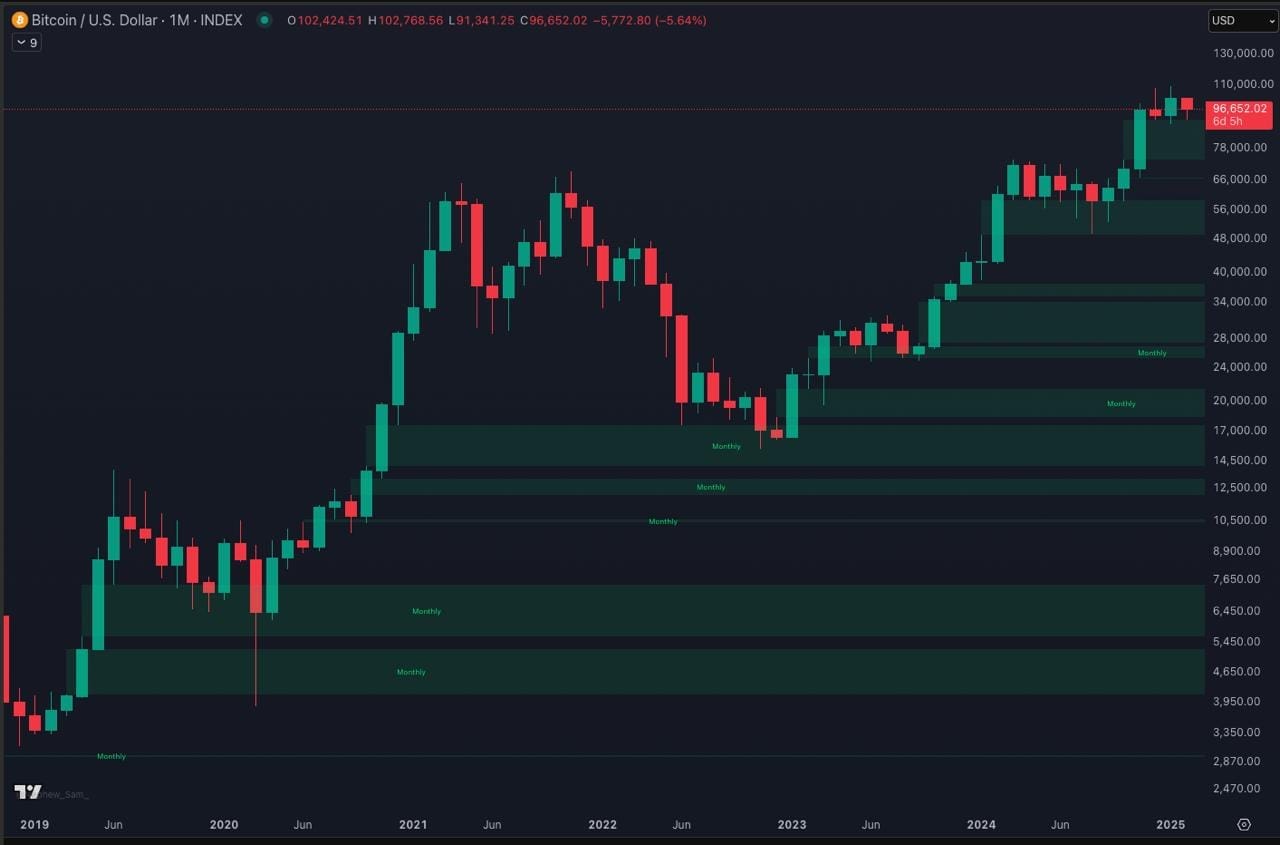
Why Price May Revisit, Ignore, Partially Fill, Or Invalidate An FVG
One reason traders care about FVGs is that price sometimes revisits them later. But sometimes is the key word. A fair value gap does not create a rule that price must come back, fill the zone, or reverse from it.
Sometimes price revisits the zone and reacts cleanly. Sometimes it only partially fills the area. Sometimes it trades straight through the gap. Sometimes it never comes back at all. That is why FVGs are better treated as context zones rather than fixed predictions.
The biggest beginner mistake here is expecting one outcome every time. Charts rarely behave that neatly. An FVG simply gives you an area to watch. It does not tell you exactly what the market must do next.
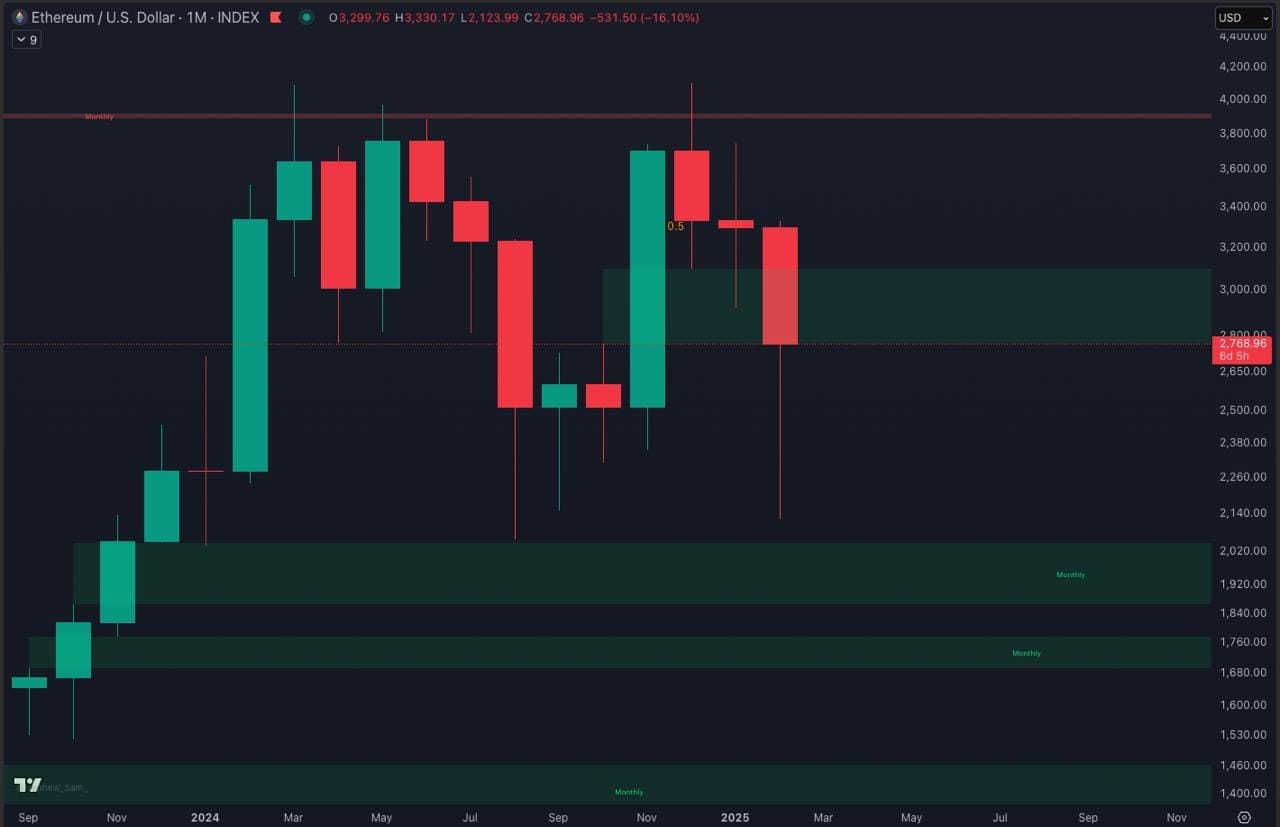
Bullish Vs Bearish Fair Value Gaps
Fair value gaps can appear in either direction, and the surrounding trend matters.
| Type | What It Looks Like | What Traders Watch |
|---|---|---|
| Bullish FVG | Appears after a strong upward move and leaves an imbalance below price. | Whether price revisits the zone and whether the broader context remains constructive. |
| Bearish FVG | Appears after a strong downward move and leaves an imbalance above price. | Whether price revisits the zone and whether the broader context remains weak. |
The direction of the gap matters, but context matters more. A bullish FVG in a weak chart can fail. A bearish FVG in a strong chart can fail too. The imbalance itself is only one part of the read.
How Beginners Should Use FVGs With Context
The safest beginner use of an FVG is as one chart-reading layer among others. A fair value gap becomes more useful when the learner also asks what the broader trend is, where the nearby support and resistance zones are, what the candles look like around the area, and whether volume supports the move or looks thin and unstable.
So the goal is not to trade the gap. The goal is to read the chart more clearly. If an FVG aligns with structure, it may deserve more attention. If it sits inside weak or noisy chart context, it may deserve much less.
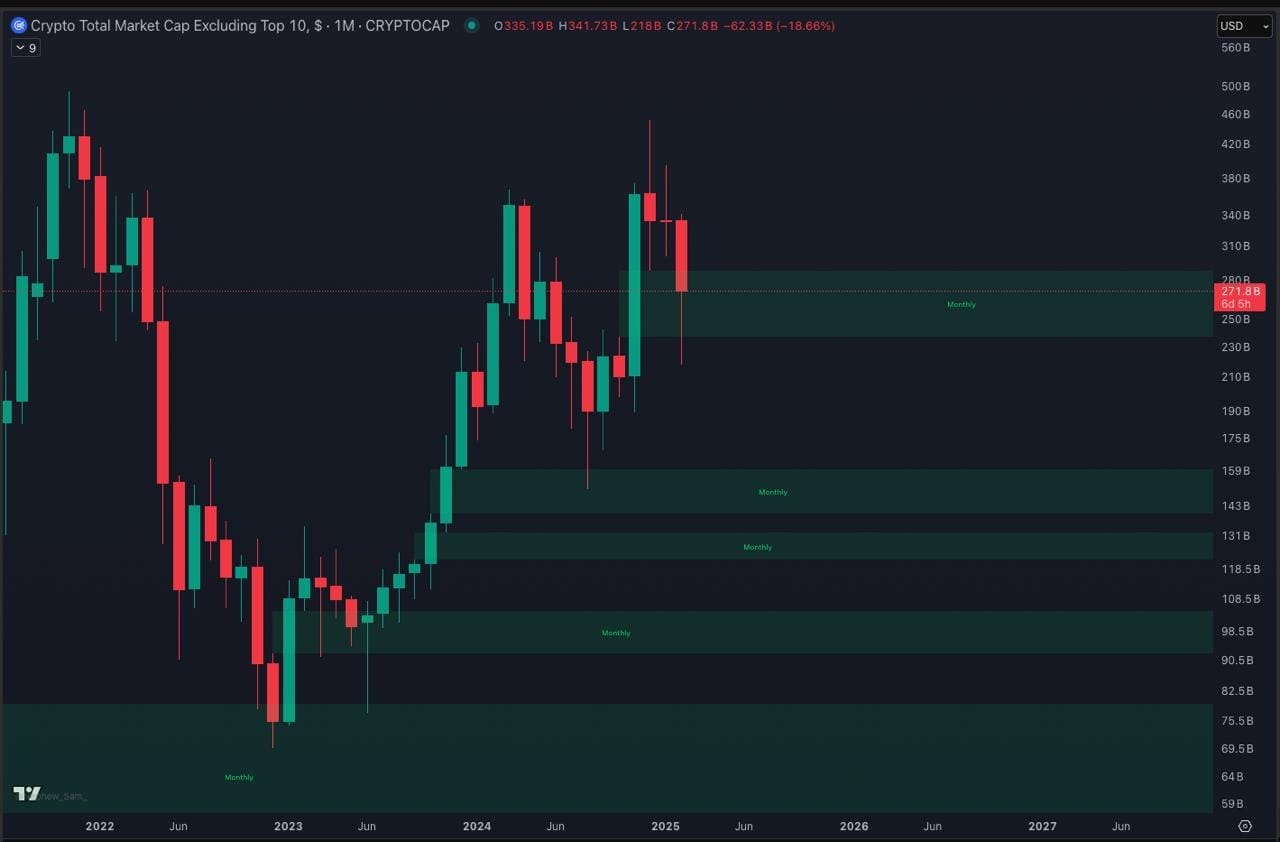
Why FVGs Are Not The Same As Support And Resistance
FVGs and support or resistance can overlap, but they are not the same idea.
Support and resistance are usually built around repeated reactions at a level or zone. A fair value gap is built around imbalance created by rapid movement. Sometimes an FVG sits inside a support or resistance area, which can make it more interesting. Sometimes it appears in the middle of nowhere, which may make it less useful.
That distinction helps beginners avoid over-labelling every gap as if it automatically carries the same weight as a major level.
Common Fair Value Gap Misreads
FVGs are widely discussed, but they are often misunderstood. The most common problem is overconfidence.
Not every FVG must fill. Not every FVG is institutional. Not every reaction becomes a reversal. Not every imbalance is worth watching. And an FVG in weak chart context is usually weaker than an FVG that aligns with structure.
Another common mistake is clutter. Once traders start seeing imbalances everywhere, the chart can become over-labelled and less useful. A smaller number of well-placed zones is often more helpful than marking every possible FVG on the screen.
What Fair Value Gaps Can And Cannot Tell You
| FVGs Can Help With | FVGs Cannot Guarantee |
|---|---|
| Highlighting price imbalance zones | That price must return to the zone |
| Adding context to broader chart structure | That price will reverse from the zone |
| Showing areas traders may watch later | That a revisit will be clean or tradable |
| Helping organise chart reading | That the zone proves institutional activity |
Source Note
This article is an educational TA explainer built around common technical-analysis usage of fair value gaps in crypto markets. For term refreshers, use the Crypto Dictionary.
Mini FAQs
Legal And Risk Notice
This article is for educational purposes only and should not be treated as financial, investment, legal, tax, or accounting advice. It does not provide entries, exits, stop-loss placement, targets, leverage guidance, or trade management. Fair value gaps are chart concepts, not guarantees. Crypto markets are volatile, and price may revisit, ignore, partially fill, overshoot, or invalidate an imbalance zone without warning.


Discussion