


Key Points
- Initial jobless claims are the earliest weekly pulse on layoffs, the 4-week average is the cleaner signal.
- Payrolls confirm the trend, focus on the 3-month average and revisions, not one headline print.
- Unemployment is slower, but once it rises with persistence it often defines the risk regime.
- Use a simple lead-lag stack, claims lead, payrolls confirm, unemployment seals.
- Cross-check credit spreads and growth surveys to avoid false alarms.
- For more guides like this, use Macro For Beginners.
- For quick definitions of terms used here, see the Crypto Glossary.
Quick Answer
Claims, payrolls, and unemployment each do a different job. Claims move first and flag stress early. Payrolls confirm whether hiring is actually slowing across the economy, but they get revised. Unemployment tends to turn later, yet once it rises with persistence it often marks a more restrictive risk backdrop. The clean approach is to watch claims weekly, payrolls monthly with a trend lens, and unemployment as confirmation.
Answer Block
If claims are trending up and payroll momentum is fading at the same time, risk tolerance usually falls and credit gets pickier. If claims roll over and payroll revisions stabilise, conditions often improve before the headlines turn positive. Unemployment is the final confirmation layer, once it trends higher it tends to stick around.
What Each Series Tells You
Initial jobless claims are weekly layoffs, they are the earliest pulse on labour stress. Use the 4-week average to smooth noise, then watch the slope.
Nonfarm payrolls are monthly hiring from the business survey, broad, revised often, best used for trend not one-month noise.
Unemployment comes from the household survey, slower to turn but powerful confirmation once it drifts higher with persistence.
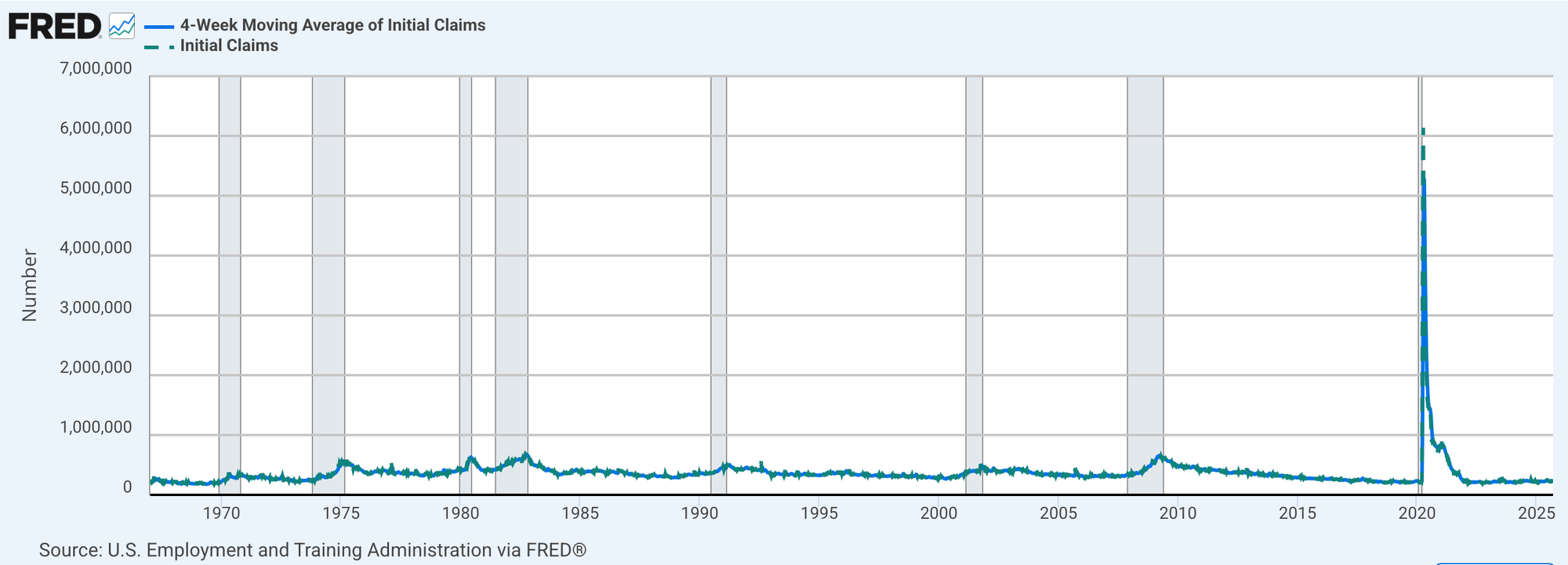
Claims tend to spike early in downturns and ease first in recoveries. The slope of the 4-week average matters more than the single weekly print.
Lead Lag And Thresholds That Matter
- Claims lead. Higher highs on the 4-week average, plus a clear break above the prior range, is the early warning.
- Payrolls confirm. A run of softer prints plus downward revisions is usually when risk premia start to widen.
- Unemployment seals the regime. A sustained 0.5 percentage point rise in the 3-month average from the cycle low is the classic recession-style trigger.
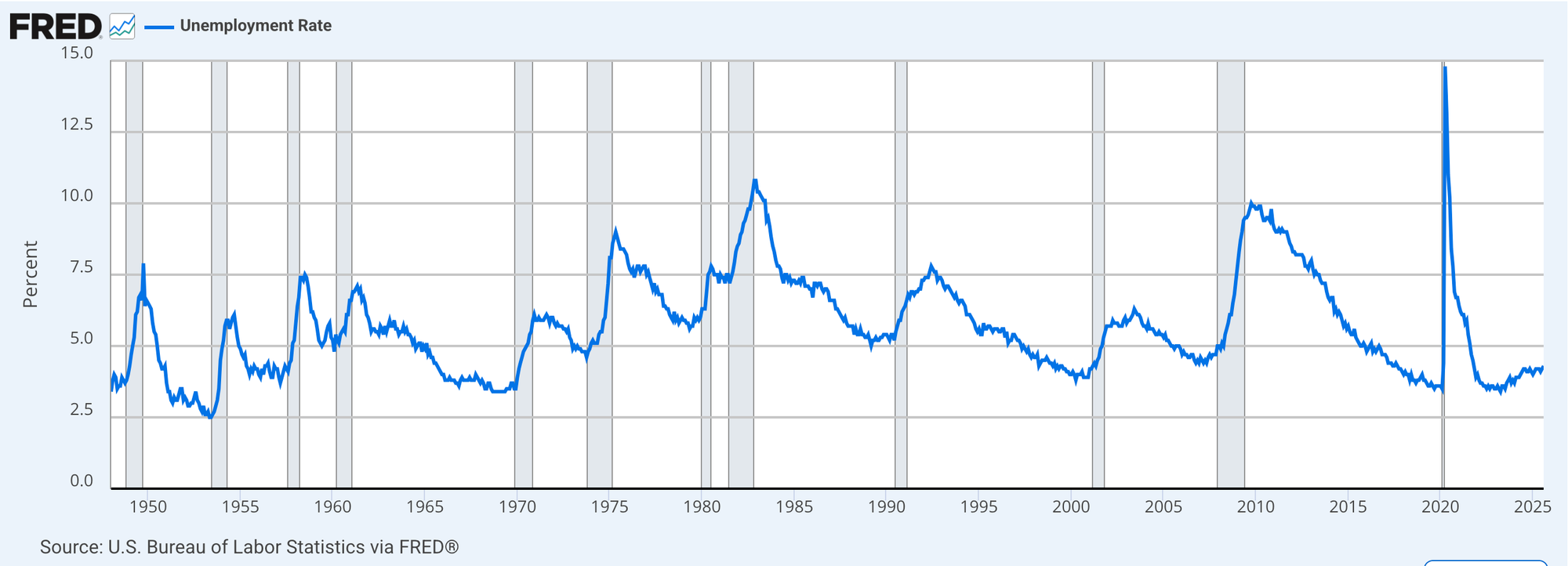
Unemployment tends to rise late, but it often persists. Once the uptrend is established, drawdowns are usually deeper and risk stays tighter for longer.
Why Markets Care
Earnings and credit hinge on labour. Rising claims can tighten financial conditions through confidence and cash-flow expectations, credit spreads often follow. Payroll softness then feeds into profit expectations and hiring plans. Once unemployment lifts, policy may ease later, but the first move is usually risk being priced more cautiously.
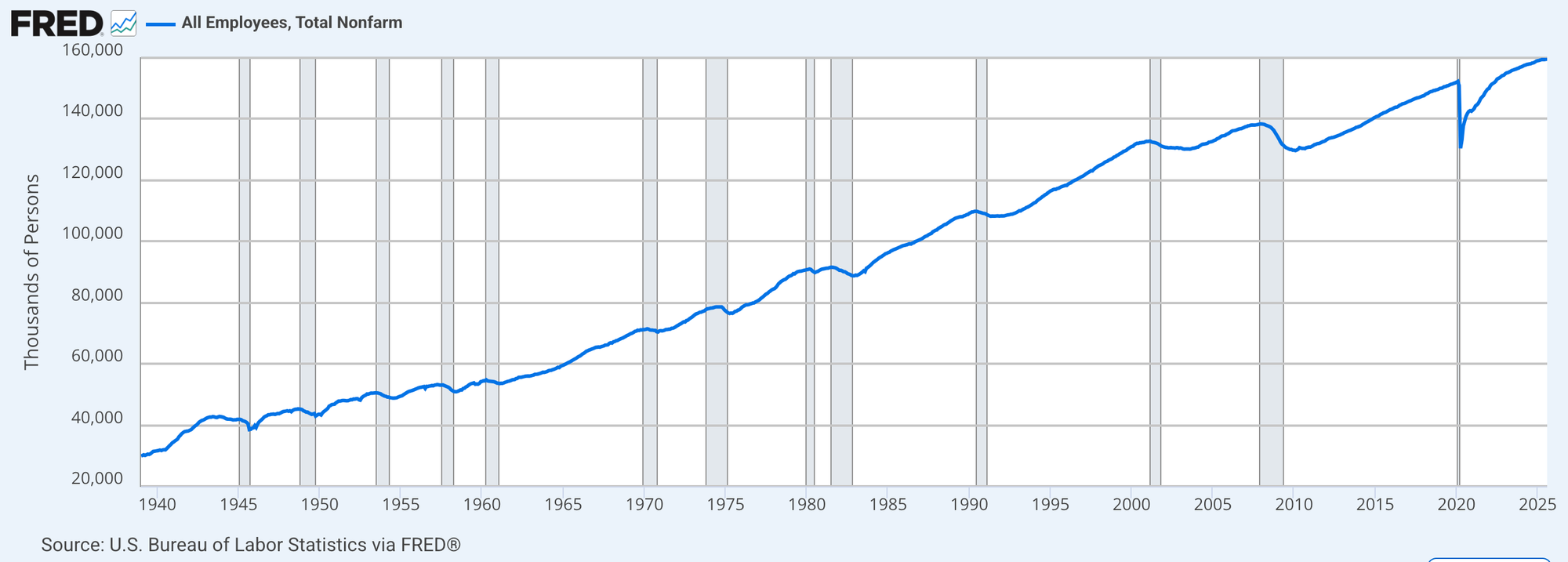
The long-term level trends up, the signal is the change and the revisions across a few months, not one headline month.
Simple Workflow You Can Reuse
- Weekly Claims
Track the 4-week average and the 13-week high, persistence matters more than spikes. - Payrolls Friday
Focus on the 3-month average change and prior-month revisions, ignore one-off seasonal quirks. - Unemployment
Watch the 3-month average versus its cycle low, a sustained 0.5 percentage point rise sets a more defensive risk regime. - Cross-Checks
Add high-yield spreads, ISM new orders, and small-business hiring plans, alignment raises conviction. - Execution
Reduce beta exposure when claims trend up and payroll momentum softens together, add back when claims roll over and revisions stop deteriorating.
Mini FAQs
Claims Jumped But Payrolls Looked Fine, Which Should Be Trusted?
Claims usually lead. If the claims uptrend holds for a few weeks, payrolls often follow later.
How Much Weight Should Be Put On The Unemployment Rate?
A lot once it turns. Use it to confirm the regime, not to time the first move.
What About One Huge Payrolls Beat?
Single prints are less useful. The 3-month trend and the revision pattern carry more information.
If this helped you read labour without the noise, join Alpha Insider for Macro Heat dashboards, calendar previews for the next prints, and a weekly positioning watchlist. Fewer mistakes, cleaner execution, more conviction.
The Markets Unplugged members get:
➡️ Kairos timing windows to plan entries before the crowd moves
➡️ A full DCA Targets page with levels mapped for this cycle
➡️ Exclusive member videos breaking down charts in plain English
Sorted, now execute.
Legal & Risk Notice
This guide is for education only, not financial, investment, legal, accounting, or tax advice. Nothing here is a recommendation to buy, sell, or use any product or service. Markets involve risk and losses can happen. Verify information independently and make decisions that fit your situation.


Discussion